Adaptive Grazing, Sell-Buy Marketing & Building a Strong Ranch Team
What happens when you stop managing “the way it’s always been done” and start making decisions off grass, numbers and people instead?
That’s exactly what Grahame Rees dug into with ranch manager Fiona Jackson, from Redwing Ranch on the eastern slope of the Rocky Mountains in south-central Colorado.
In just three years, this place has gone from long-term set-stocked country with low ecological response… to a flexible, adaptive grazing and sell-buy operation that’s hitting
over 42% return in 180 days being attributed to
both a 'good' trade and a rising market, on some trades –
without flogging the paddocks.
Realistically we were aiming for around a 20% ROI and the 42% ROI in 180 days was phenomenal.The initial
price relationships were showing 24% ROI which is on target for what we are looking for, and then with a
rising market contributing as well, we were positioned with the 42% ROI when we sold 180 days later.
Another example on our ROI, our 300 head of stocker heifers this summer had a 21% ROI in 270 day.We were pleased with this.And while the landscape looks different to most Australian operations (7,200–8,500 ft elevation, short grass prairie and sub-irrigated meadows), the principles will feel very familiar if you’re running cattle, sheep, or a mixed enterprise here.
Let’s walk through the key lessons.
From Set-Stocked to Adaptive: Re-Starting a Ranch
Redwing Ranch sits across mixed country:
- Shortgrass prairie
- Sub-irrigated meadows
- Historic irrigated hay ground
- 35+ permanent barbed-wire paddocks
- A mile of river and 20+ watering points
For 16 years before 2023, the place was leased out and run under continuous set-stocking, with not much ecological response to show for it.
When Fiona and the team stepped in, they didn’t just tweak the old system. They essentially re-started the ranch:
- Started using temporary electric fencing to lift stock density.
- Shortened graze periods, typically moving every 3–5 days.
- Aligned moves with grass growth rate and season, not a fixed calendar.
Sound familiar? It’s the same shift many KLR producers make: from “set and hope” to
planned, responsive grazing tied into grass, livestock, and money.
Red Wings is now a mix of:- Custom grazing
- Short-term cattle ownership and sell-buy trading
- 3x Airbnb short-term rentals
- A new events & education arm: workshops, field days, women’s chainsaw training, grazing schools
Profitability, animal performance and
ecological regeneration now sit side by side as goals. Not one at the expense of the other.
A 42% Return in 180 Days: How Sell-Buy Marketing Helped along with a Rising Market
One of the big stories Fiona shares is a classic
sell-buy pivot.
The original plan
Run 500 stockers for the summer. Simple enough.
The reality check
By March, stocker prices had taken off. They were no longer “buy right” opportunities.
In KLR language – they were
overpriced relative to everything else.
Instead of forcing the original plan, Fiona, and the team went hunting for what was
underpriced.
The pivot
They found it in a different class of stock:
3rd-trimester aged cows, due to calve May–June.
While everyone else was chasing stockers, this class of cow was being discounted. That’s where the margin was hiding.
They bought these cows, ran them through the growing season, and turned the deal around for
over 42% return in 180 days – all while still honouring their
ecological limits.
That’s
KLR Principles in action:
- Don’t get attached to one class of stock.
- Don’t chase what’s popular.
- Let the price relationships tell you where the opportunity is.
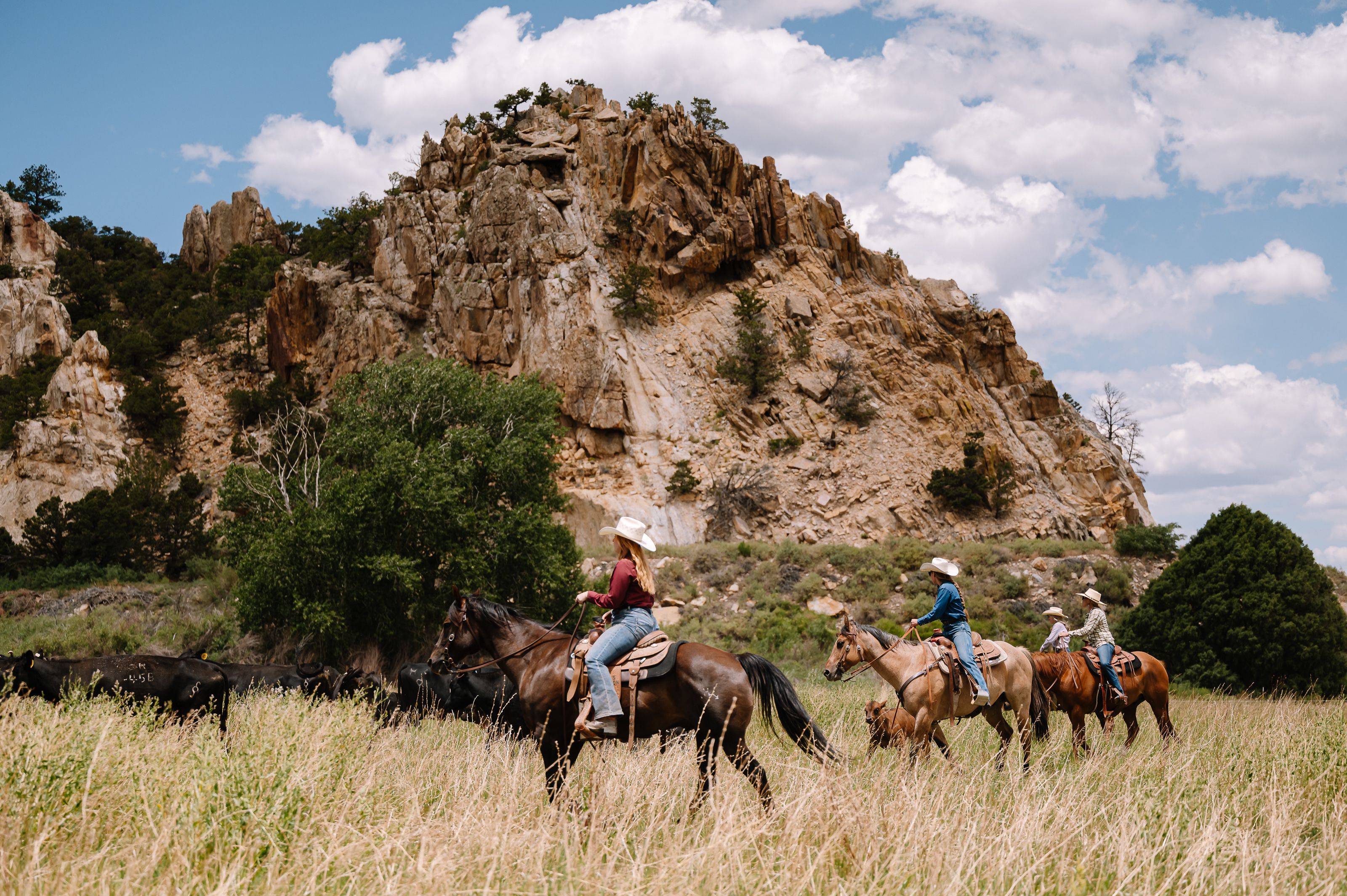
Credit: Sagebrush Souls Photography
At one point in the conversation, Grahame says:
"We Don’t Talk Enough About Grass in Marketing”
Redwing Ranch is a good example of what happens when you flip that.
Through late summer, Fiona, and the team kept a close eye on grass. By early autumn, they calculated they had
60–75 days of feed left.
They could have:
- Hung onto cows because prices were strong.
- Retained calves “because that’s what you do”.
- Fed hay to stretch the season.
Instead, they chose discipline.
The decision
They:
- Sold all heifers and pairs on one big day
- Did not retain calves
- Did not keep cows, even with tempting prices
Then they switched to
custom grazing with a neighbour, to protect both ecological and financial outcomes.
This avoided:
- Buying and feeding hay
- Being forced to sell in a market downturn later
- Pushing older cows at elevation and flirting with PAP / brisket disease risk
The key point for any producer:
They let grass call the shots – then used marketing to line up with reality, rather than trying to bend reality to fit the herd.
That’s exactly the type of thinking we hammer at the KLR School:
Your most important asset is the grass you grow, and how well you sell it.Flexibility Beats Tradition
If there’s a theme running through the whole episode, it’s this:
Don’t marry the animal. Marry the principles.Red Wings Ranch didn’t:- Lock themselves into being “a stocker place” or “a breeder place”.
- Trade off grass health just to keep numbers up.
- Stick with a class of stock because “that’s what we’ve always run”.
Instead, they:- Stayed flexible with class of stock
- Kept watching price relationships
- Made decisions off feed on hand and cost of carry, not just habit
That’s the same mindset shift we see in producers who come through the KLR school and then go home and apply the principles.
Fiona is very clear about one thing:
“Everything is a people problem.”
You can have the best grazing plan and the sharpest sell-buy spreadsheet in the world – but if the team can’t execute, it falls over.
Here’s how they handle people at Red Wings Ranch:
- Weekly team meetings – to stay aligned and talk openly.
- Working-On-The-Business (WOTB) sessions – not just working in the day-to-day.
- Apprentices via the Quivira Coalition – bringing in new people intentionally, not by accident.
- Hiring for attitude and integrity, more than prior ag experience.
- Clear training systems so new team members aren’t set up to fail.
This year’s standout apprentice had
zero agriculture background. They were previously an
aircraft mechanic.
What made them valuable wasn’t cattle experience – it was mindset:- Willingness to learn
- Humility
- Mechanical problem-solving brain
There’s a strong parallel here with many Australian family operations:- Succession plans forming (or not).
- Kids maybe interested, maybe not.
- Staff hard to find.
Fiona’s approach is a solid reminder that building a strong business is as much about
culture and communication as it is about grass and livestock.
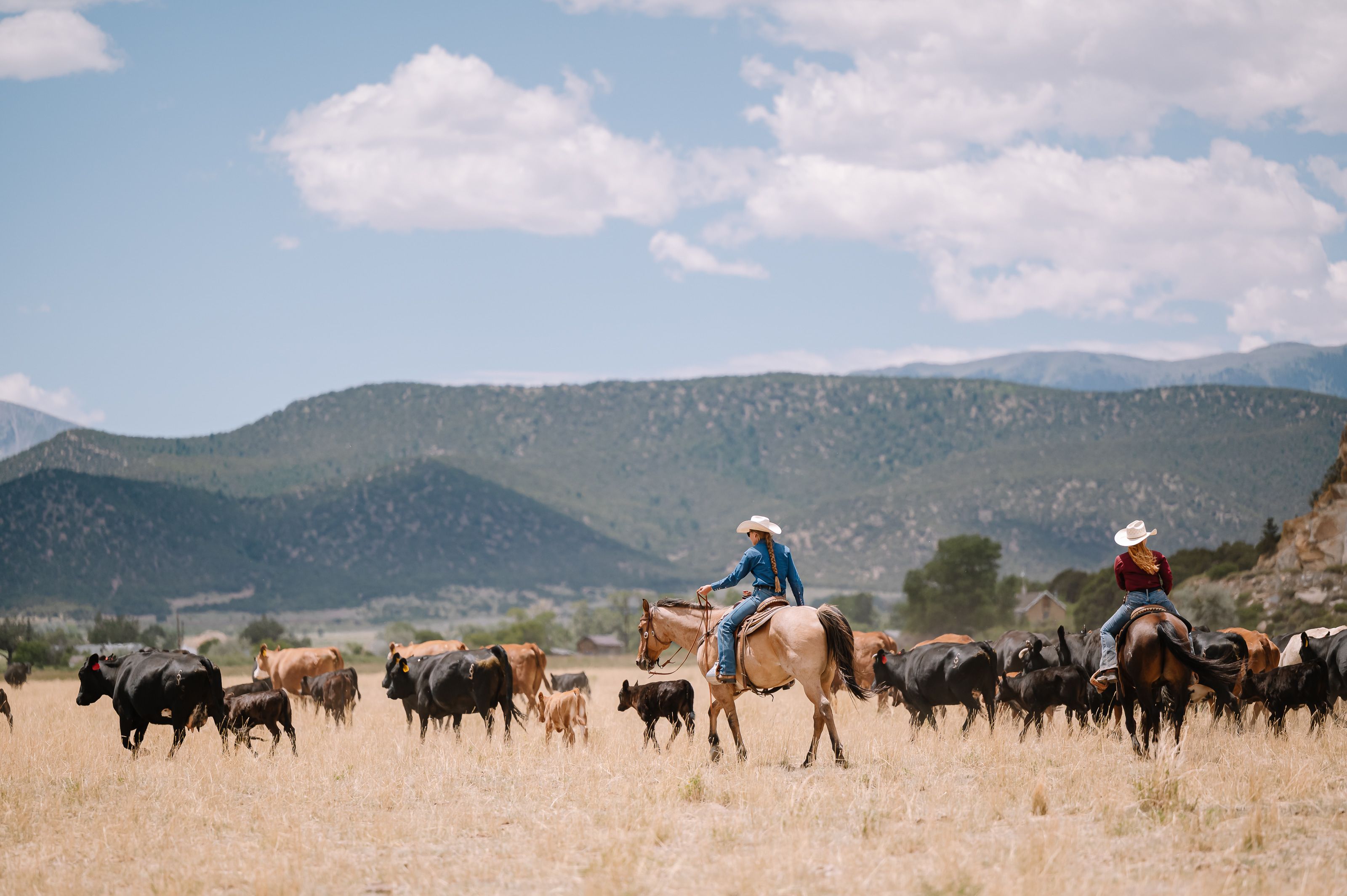
Credit: , Sagebrush Souls Photography
Small Changes, Big Compound Effect
None of what Fiona shared is magic. It’s a series of
small, disciplined changes that add up:
- Shortening graze periods
- Using temporary fence
- Watching grass growth rate, not just a calendar
- Being willing to change class of stock
- Making marketing decisions off feed and cost of carry
- Investing in team, meetings and training
Put together, those changes:- Improve land condition
- Smooth out cash flow
- Reduce risk and stress
- Create a more resilient business over the long term
Which is exactly what most KLR producers are chasing:
profit today,
and a property and business that can be handed on.
Key Takeaways for Your Own Place
Whether you’re running breeders, backgrounders, sheep, cattle or a mix, here are some simple questions to sit with after this episode:
- Are you locked into one class of stock because of habit?
- Are you talking enough about grass in your marketing decisions?
- Do you know your true cost of carry on each enterprise?
- Are you set up to spot underpriced classes of livestock, not just chase what’s popular?
- How strong is your team culture – could you bring in someone with the right mindset, even if they don’t have the “perfect” ag background?
You don’t have to copy Red Wings Ranch.
But you can borrow the thinking.
Want to Learn Sell-Buy and Grass-First Decision-Making?
If Fiona’s story got you thinking about your own place – the grass, the livestock, the money, and the people – that’s exactly what we work on at the
KLR Marketing School.
Over
2½ days, we walk you through:
- How to see which animals are overpriced vs underpriced
- How to calculate your cost of carry for each enterprise
- How to decide when to sell and when to buy
- How to put grass back at the centre of your marketing decisions
- How to be profitable in any market direction
So you’re not stuck on the profit-loss rollercoaster, guessing and hoping. You’ve got a framework to lean on.